Stabledash

Stabledash
Policy
Unlocking Wall Street's Embrace of Digital Cash Equivalents
February 23, 2026
Companies mentioned:
SEC Commissioner Hester Peirce has advocated for a 2% capital haircut on payment stablecoins, effectively allowing broker-dealers to treat them similarly to cash equivalents. This move, detailed in a new FAQ from the SEC's Division of Trading and Markets, is poised to unlock substantial capital for Wall Street firms and boost the adoption of blockchain-based payments.
The guidance addresses the treatment of payment stablecoins under Exchange Act Rule 15c3-1, the broker-dealer net capital rule. Broker-dealers must maintain a liquidity buffer by applying "haircuts" to assets, deducting a percentage based on risk when calculating net capital. Previously, some firms applied a conservative 100% haircut to stablecoins, making them valueless for capital purposes and costly to hold.
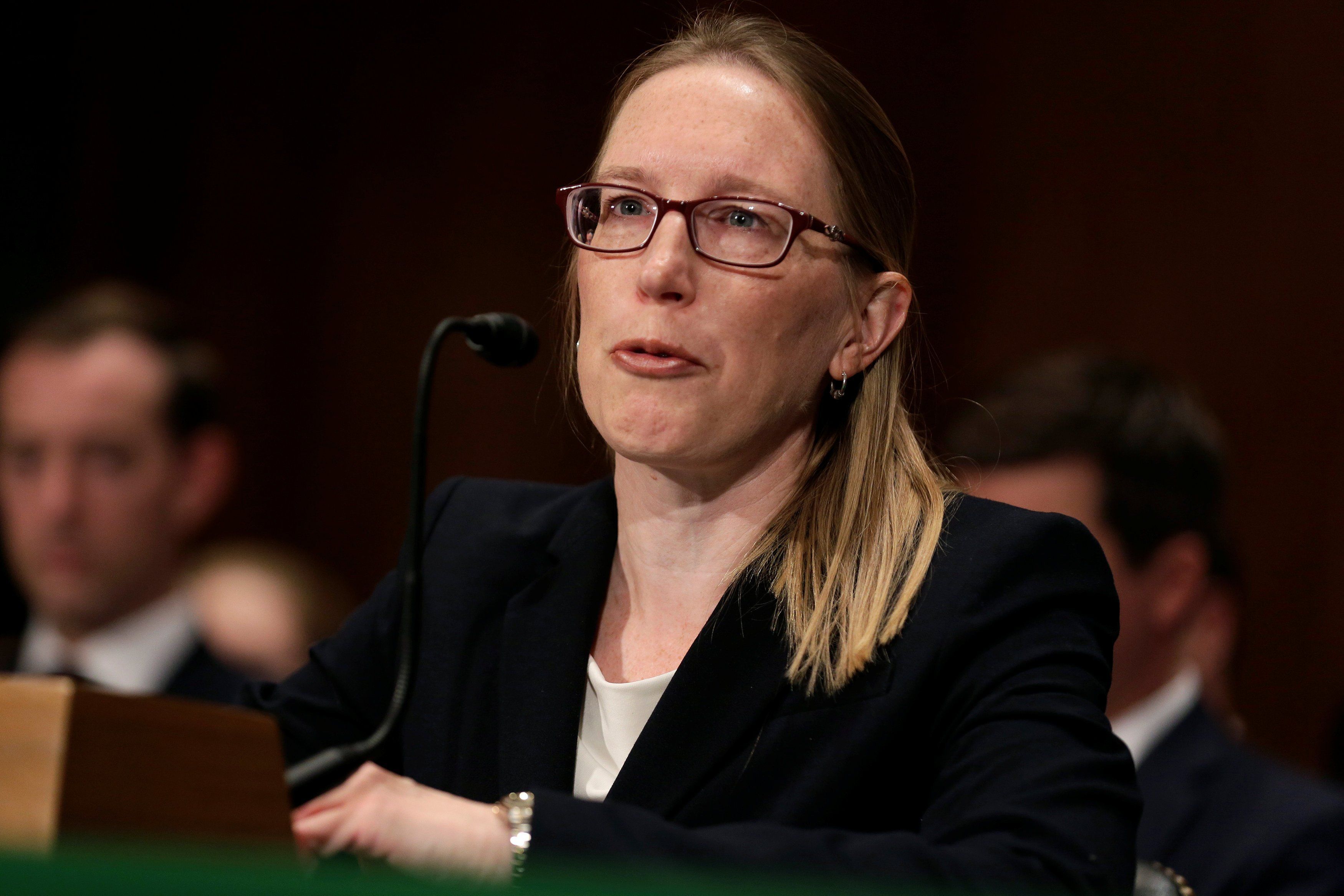
Peirce, known as "Crypto Mom" for her innovation-friendly views, criticized the 100% haircut as "unnecessarily punitive" in her statement "Cutting by Two Would Do." She pointed out that stablecoins are backed by low-risk assets like U.S. dollars and short-term Treasuries, akin to money market funds which already receive a 2% haircut. With the GENIUS Act's stricter reserve requirements for stablecoin issuers, this alignment makes even more sense.
The FAQ states that SEC staff won't object to broker-dealers classifying proprietary positions in qualifying payment stablecoins as having a "ready market" and applying the 2% deduction. This change slashes the capital burden: For a $100 million stablecoin holding, firms can now count $98 million toward net capital, versus zero previously.
Industry analysts view this as a game-changer for integrating stablecoins into mainstream finance. By equating them to cash, broker-dealers can more easily participate in tokenized securities and other crypto activities, as Peirce emphasized: "Using stablecoins will make it feasible for broker-dealers to engage in a broader range of business activities relating to tokenized securities and other crypto assets."
This aligns with ongoing regulatory developments, including the GENIUS Act's framework for stablecoin reserves. Amid rising Wall Street interest in digital assets, stablecoins like USDC and USDT serve as vital transaction tools in blockchain ecosystems. One estimate suggests that for a $1 billion position, required capital drops from $1 billion to $20 million.
Peirce has invited input on amending SEC rules to better accommodate stablecoins, signaling potential future changes. This subtle regulatory easing could foster innovation while upholding investor protections, narrowing the divide between TradFi and crypto.
For more details, read the full SEC FAQ on Crypto Asset Activities and Commissioner Peirce's statement.
The Stabledash newsletter keeps you off the timeline and dialed into modern money.
Join leaders at Circle, Ripple, and Visa who trust us for their stablecoin insights.